
EKSPERTİZ RAPORU
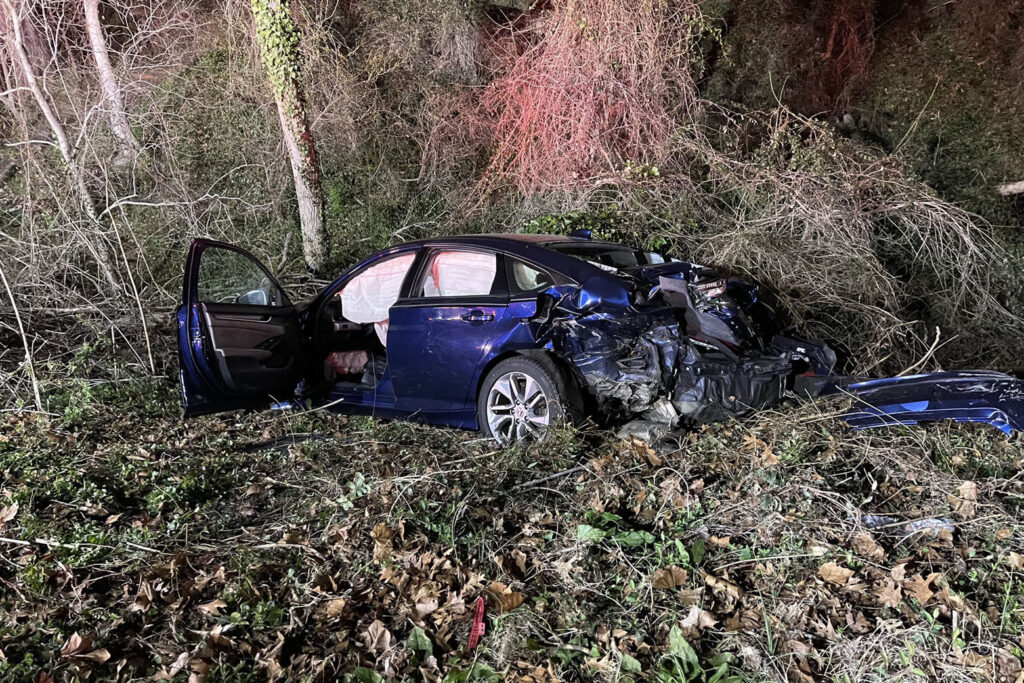
EKSPERTİZ RAPORU
Ekspertiz kelime anlamı olarak bilirkişi tarafınca yapılmış olan inceleme olarak karşımıza çıkmaktadır .
Ekspertiz raporu genel olarak üç başlık altında yer almaktadır . Bunlar : gayrimenkul , otomotiv ve son olarak da sigortacılık . Bunların dışında başka pek çok sektörde de karşımıza çıkabilmektedir . Ama biz bu yazımızda ekspertiz raporunun otomotiv sektöründeki yeri üzerinde duracağız .
Otomotiv sektöründe ekspertiz aracın alım satım işlemi öncesinde o aracın mali bakımdan değerine veya sigorta işlemlerinde oluşan hasarların saptanmasına ilişkin yapılacak olan inceleme , değerlendirme işlemleri ekspertiz olarak tanımlanmaktadır . Yani kısaca tanımlarsak ekspertiz raporu incelemeler soncunda araca biçilen değeri belirleyen raporudur . Otomotiv sektöründeki ekspertiz raporunun oluşturulmasında bazı kriterler dikkate alınır . İkinci el olan aracın işlemlerinde göz önüne alınacak durumlar aracın yaşı , aracın geçmişte yaşadığı kazalar ve bu kazalar sonucunda oluşan hasarların maddi karşılığı yani aracın geçmişi , aracın motorunun aksamları ve durumu gibi . Bu maddeler aracın ekspertiz raporunun konusunu oluşturmaktadır . Özellikle aracın gözle görülemeyen hasarları ve arızaları ekspertiz raporu sayesinde ortaya çıkar .
Yasal olarak 2019’a kadar otomotiv sektöründe oto ekspertiz raporu zorunlu olarak tutulmamıştır . Fakat 2019’dan itibaren ikinci el araçların alım satımı gibi işlemelerinde oto ekspertiz raporu zorunlu hale gelmiştir . Aracın sekiz yaş ve yüz altmış bin kilometrenin altında olası durumunda oto ekspertiz raporunun alınması son yasal değişikliklerle birlikte zorunlu olarak yapılması gerektiği düzenlenmiştir .
Otomotiv sektöründeki ekspertiz raporunun amacı araç alım satım işleminden sonra aracı alan ve satan kişinin oluşabilecek olan mağduriyetlerinin önüne geçebilmek ve bu mağduriyetlerin oluşmasını engelleyebilmektir .
EKSPERTİZ RAPORUNDA DİKKAT EDİLEN HUSUSLAR
Araçlara yapılan ekspertiz raporu aracın güncek durumu üzerinde ayrıntılı bir bilgi edinmeye olanak sağlar .
ARACIN BOYA KONTROLÜ
Aracın ekspertiz raporunda yapılan ilk iş aracın kaportasıdır . Boya kontrolü yapılırken aracın fabrika çıkışı örnek alınarak bir değerlendirme yapılır .
ARACIN MEKANİK VE MOTOR KONTROLLERİ
Aracın motorunun nasıl çalıştığı üzerinden bir inceleme yapılır . Aracın gösterge paneli , abs si ve enjeksiyonu gibi sistemleri kontrol edilir .
YANAL KAYMA TESTİ
Aracın ikinci el araç olması nedeniyle bir kilometrelik yolda sağa ve sola ne kadar kaydığına bakılarak tespit edilir .
DYNO TESTİ
Dinamometre yani kısaca DYNO testi araç motorunun sürüş halindeyken ne kadar güç harcadığına bakılır ve araç hareket halindeyken motorunun harcadığı gücün tekerleklere ne kadar iletiliyor olup olmadığına bakılarak tespiti yapılır . Bunlarında haricinde ise aracın tork değeri , şanzıman aralığı , motor ve tekerlek gücü , aracın motorunun durumu , radyatöründeki yağ oranı gibi konular da bu testin içerisinde yer almaktadır . Yani kısaca bu testte aracın ikinci el olmasında kaynaklanan bir güç kaybı var mı diye bakılır .
SÜSPANSİYON TESTİ
Süspansiyon testi araç hareket halindeyken aracın yol tutuşunu tespit eden bir test türüdür . Bu test virajlı ve çukurlu yollarda yapılır . Süspansiyon testinin aşamaları aşağıdaki gibidir :
1 – İlk olarak yapılması gereken araç seyir halindeyken tekerleklerinin en alçak düzeyde tutunma kuvvetlerinin değerlendirmesi yapılır .
2 – İkinci olarak aracın hareket halindeyken tekerleklerinin en alçak düzeyde ortaya çıkardığı yola tutunma frekanslarının ölçümü yapılır .
3 – Sonra tekerleklerin tek tek ne kadar ağır olduğu ölçümü yapılır .
4 – Ve son olarak da otomobilin ağırlığı ölçülerek testi değerlendiren işlemler yapılmış olunur .
FREN TESTİ
Bu testle birlikte aracın ön ve arka frenleri kontrol edilir .
DİAGNOSTİK TEST
Diagnostik test , diagnoz denen bir cihaz vasıtasıyla yapılan teste denir . Bu cihazda tüm araçların markası ve modelleri tanımlanmıştır ve bu nedenle cihaza aracın markası ve modeli girildiği zaman aracın elektronik aksamı yani aracın aldığı güç ile çalışabilmesi için gerekli olan tüm teknik malzemelerin ve ekipmanlarının olup olmadığı tespit edilir . Ve bu test vasıtasıyla araçtaki tüm arıza kayıtları saptanır .
AKÜ TESTİ
Bu testin kapsamında akünün ömrü , akünün şarj durumu , akünün şarj durumu ve akünün marj değeri gibi noktalar dikkate alınarak bir tespit yapılır .
Tüm bu raporlar hazırlandıktan sonra oluşan ekspertiz raporunda ön onay incelemesi yapılması gerekmektedir . Bu işlem de yapıldıktan sonra geçilen uzman incelemesi sırasında ekspertiz raporu dört ile yedi gün içerisinde ilgili kurum ve kuruluşa teslim edilmesi gerekmektedir .
Hazırlanan raporda bu testlerden hariç aracın güncel fiyatı da yer alır .
Son olarak da ikinci el araçların satımı ve alımı için çıkarılacak olan oto ekspertiz raporu Türk Standartları Enstitüsü ( TSE ) ‘nün belirlemiş olduğu ölçütleri baz alarak belirlenmiş olan merkezlerde yapılıyor .
TAYYİP TAŞKAN