
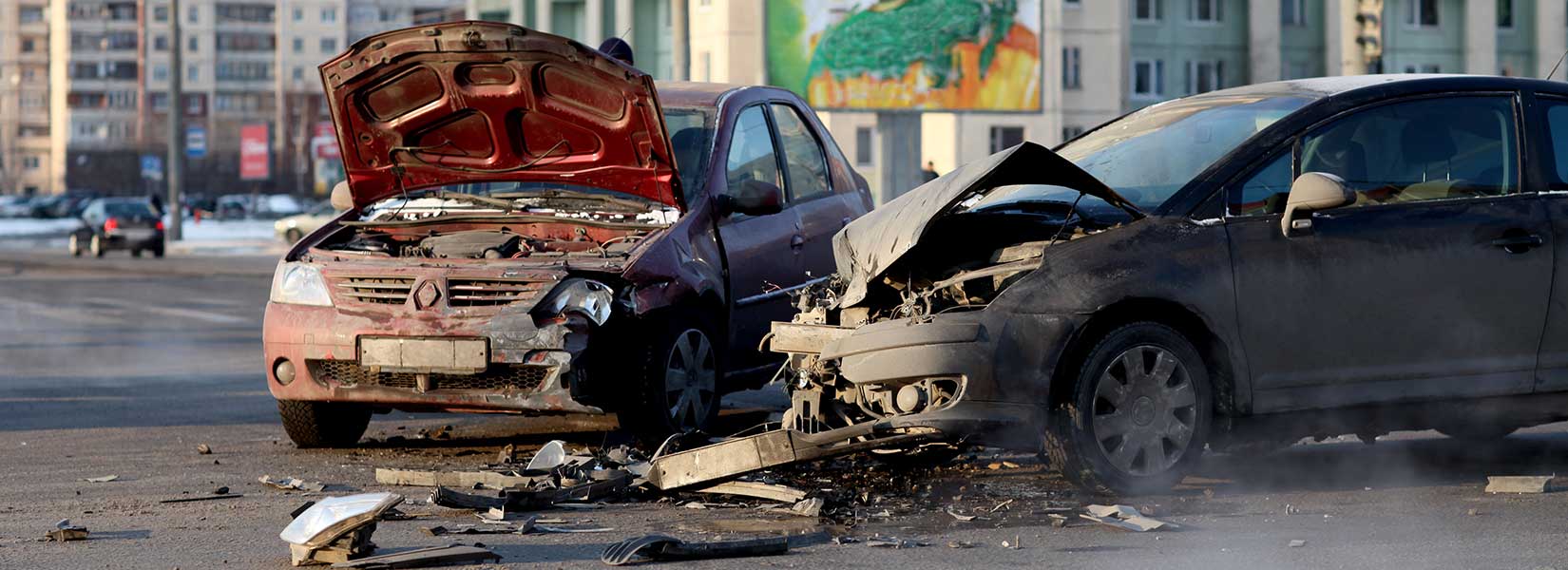
Bir Araba Kazasında Kusuru Kanıtlamak İçin Nelere İhtiyacınız Var?
Kaza, beklenmedik bir anda hayatınızın akışını değiştirebilir ve kendinizi bir anda hukuki süreçlerin içinde bulabilirsiniz. Peki, bir araba kazasında kusurun kimde olduğunu kanıtlamak için nelere ihtiyacınız var? Haksız yere suçlanmaktan korunmak ve hak ettiğiniz tazminatı alabilmek adına kanıtlarınızın sağlam olması gerekiyor. Bu blog yazımızda, kaza raporlarının önemi, güvenlik kamerası görüntülerinin nasıl kritik delil olabildiği, kaza sırasında orada bulunup neler gördüklerini anlatabilecek görgü tanıklarının değeri, olayı inceleyecek uzman şahitlerin bilirkişi raporları, tıbbi belgelerin kaza sonrası yaralanmaları nasıl belgelediği ve kaza yerinde doğru şekilde delil toplamanın ne kadar önemli olduğu gibi konulara detaylı bir şekilde değineceğiz. Kaza sonrasında adil bir şekilde hukuki haklarınızı arayabilmek için doğru bilgiye sahip olmanız hayati önem taşır. O halde, hadi bu süreci adım adım inceleyelim.Trafik kazaları için adli deliller: Kaza raporları, güvenlik kamerası kayıtları, görgü tanıkları, uzman ifadeleri ve tıbbi belgelere nasıl ulaşılır.
Kaza Raporları
Kaza raporları, trafik kazalarının hemen ardından olay yerine intikal eden güvenlik güçleri tarafından düzenlenen ve yaşanan olayın resmi bir dökümanı niteliğinde olan belgelerdir. Bu raporlar, kaza ile ilgili tüm detayları, araçların konumundan, hava durumuna, yol koşullarından, olası ihlallere kadar geniş bir bilgi yelpazesini içerir. Dolayısıyla, bir trafik kazası sonrasında hukuki süreçlerde veya sigorta işlemlerinde temel referans noktasıdır.
Kaza raporunun detayları, genellikle güvenlik kamerası görüntüleri ve görgü tanıklarının ifadeleri ile desteklenmektedir. Bu sayede kaza anının daha net anlaşılması ve sorumlulukların belirlenmesi amacıyla önemli veriler sunar. Güvenlik kamerası görüntüleri, özellikle tartışmalı durumlarda, kaza anına ait objektif kayıtları ortaya koyarak, olayın tüm tarafları için büyük bir kanıt niteliği taşır.
Bir diğer önemli husus ise uzman şahitlerin rolüdür. Kaza raporları, kaza rekonstrüksiyonu ve analizi yapan uzman şahitlerin, olayın nasıl meydana geldiği ve kazanın sebep sonuç ilişkisi hakkında bilirkişi raporlarını hazırlamalarına temel teşkil eder. Bu uzmanlar, kaza dinamiklerine dair derinlemesine teknik bilgiler sunarak, karmaşık hukuki süreçlere ışık tutabilirler.
Her ne kadar kaza raporları olayın belgelenmesinde esas alınsa da, tıbbi belgeler ve kaza yerinde delil toplama faaliyetleri de kapsamlı bir kaza analizi için büyük önem taşır. Yaralanan kişilerin aldıkları zararın boyutunu ve olayın etkilerini gösteren tıbbi raporlar, hem hukuki süreçlerde hem de tedavi yol haritasının belirlenmesinde kritik bir role sahiptir. Ayrıca, kaza yerinde yapılan detaylı incelemeler ve toplanan fiziksel deliller, kaza raporunun bulgularını doğrulamada ve eksik parçaları tamamlamada hayati bir faktördür.
Güvenlik Kamerası Görüntüleri
Güvenlik kamerası görüntüleri, bir kaza olayının detaylarını açığa çıkarmada en önemli delillerden biridir. Olayın meydana geldiği anda çevrede bulunan kameralar tarafından kaydedilen görüntüler, kazaya neyin sebep olduğunu ve suçluluğun kime ait olduğunu belirlemede kritik rol oynar. Bu nedenle, kaza sonrası olası hukuki süreçlerde, güvenlik kamerası kayıtlarının sağlamlığının korunması ve profesyonelce analiz edilmesi büyük önem taşır.
Kazanın gerçekleştiği bölgedeki iş yerleri, park alanları veya kamuya açık diğer mekanların kameraları tarafından elde edilen güvenlik kamerası görüntüleri, genellikle olayın nasıl ve hangi koşullar altında meydana geldiğini net bir biçimde gösterir. Özellikle trafik kazalarında, kameralar araçların hareket yönlerini, hızlarını ve kazaya karışan sürücülerin davranışlarını detaylı bir şekilde ortaya koymaktadır. Bu, kaza raporlarının hazırlanmasına ve olayın tarafı olan bireyler veya avukatlar tarafından kullanılmasına yardımcı olur.
Güvenlik kamerası görüntülerinin önemi, aynı zamanda görgü tanıklarının ifadeleriyle kıyaslandığında da ortaya çıkar. Görgü tanıklarının hafızası zamanla soluklaşabilir ya da kazanın şok etkisiyle net bilgiler veremeyebilirken, kamera kayıtları objektif ve değişmez bir kanıt sunar. Bu durum, hakikatin tespit edilmesinde ve adaletin yerine getirilmesinde birebir yaşanan olayın bir yansımasını sağlar.
Herhangi bir kaza olayında delil toplama sürecinde, üzerinde durulması gereken en kritik konulardan biri ise, güvenlik kamerası görüntülerinin nasıl ve ne şekilde ele alınacağıdır. Bir uzman şahit tarafından incelenen ve değerlendirilen görüntüler, olayın mahkemede ele alınış biçimini de doğrudan etkileyebilir. Bu sebeple, tıbbi belgeler ve kaza yerindeki diğer deliller ile birlikte, kamera görüntüleri de sağlam bir hukuki sürecin olmazsa olmaz parçası olarak kabul edilir.
Görgü Tanıkları
Görgü tanıkları, çoğu zaman kaza veya suç mahallinde meydana gelen olayları aktaran önemli bilgi kaynaklarıdır. Bir kaza veya suç vakası meydana geldiğinde, tanıkların ifadeleri genellikle olayın nasıl gerçekleştiği ve sorumlulukların kimlere ait olduğu konusunda kritik bilgiler sunar. Bu yüzden hukuki süreçler sırasında görgü tanıkları, sıklıkla başvurulan ve üzerinde titizlikle durulan unsurlardan biridir.
Görgü tanığı ifadeleri, kaza raporları ve güvenlik kamerası görüntüleri ile birlikte değerlendirildiğinde, kazanın dinamiklerini anlamak için eksiksiz bir tablo çizebilir. Doğrudan gözlem yapmış olan bu bireyler, kaza yerinde olup bitenleri, kaza öncesi ve sonrası durumları ayrıntılı bir şekilde anlatarak olayın aydınlatılmasında büyük önem taşır. Bu bağlamda, görgü tanıklarının ifadeleri, olayın bütünsel olarak kavranması adına vazgeçilmezdir.
Öte yandan, görgü tanıkları bazen bilinçaltı yanılgılar veya şok etkisi gibi faktörler sebebiyle yanıltıcı bilgiler verebilir. Kaza veya suç yerindeki stres dolu ortam, insanların algılarını etkileyebilir ve bu durum da verilen ifadelerin güvenilirliğini düşürebilir. Bu sebepten dolayı, profesyonel uzman şahitler tarafından yapılan analizler ve elde edilen tıbbi belgeler, tanık beyanlarının desteklenmesi adına hayati role sahiptir.
Tüm bu sebeplerle, kaza yerinde delil toplama sürecinde görgü tanıklarının ifadeleri büyük bir dikkatle değerlendirilmeli ve mümkün olduğunca objektif diğer kanıtlar ile birlikte ele alınmalıdır. Böylelikle, adil bir hukuki sürecin işletilmesine katkı sağlanabilecek ve gerçeklerin aydınlatılmasında önemli bir adım atılmış olacaktır. Görgü tanıklarının ifadeleri, her ne kadar kritik olsa da, onları doğrulamak için kapsamlı bir soruşturma ve delil değerlendirme işlemi gereklidir.
Uzman Şahitler
Uzman Şahitler, bir dava sürecinde teknik ya da özel bilgi gerektiren konularda, konunun uzmanları tarafından mahkemeye sunulan bilgilerdir. Bu tür şahitlerin ifadeleri, karmaşık durumların aydınlatılmasında hayati bir rol oynar ve genellikle olayın teknik yönleri hakkında detaylı bilgi sağlarlar.
Kaza analizi ya da tıbbi malpraktis davalarında sıkça başvurulan uzman şahitler, olayın meydana geldiği esnada ne olduğunu ve bu durumun sonuçlarının ne anlama geldiğini açıklamak için önemli bilgiler sunarlar. Bu şahitlerin ifadeleri, dosyanın diğer kanıtlarıyla birlikte değerlendirildiğinde, hakimin ya da jürinin daha bilinçli bir karar vermesine olanak tanır.
Mesela, kaza raporları veya güvenlik kamerası görüntüleri gibi kanıtlar tek başına yetersiz kalabilir. İşte bu anda uzman şahitlerin görüşleri devreye girer ve olayın arkasındaki dinamikleri, olası sebepleri ve sonuçlarını detaylandırır. Böylelikle, gözle görülür kanıtların çok ötesinde bir değerlendirme yapılmasını sağlarlar.
Hayati öneme sahip bu tanıklar, ayrıca görgü tanıkları‘nın ifadelerinin doğruluğunu destekleyebilir veya o ifadelerle çelişebilir. Dahası, kaza yerinde delil toplama sırasında elde edilen bulguların doğru yorumlanması açısından da kritiktirler. Neticede uzman şahitler, adaletin sağlanmasında kilit bir rol üstlenirler ve hakiki bir doğrulama aracı olarak davaya katkıda bulunurlar.
Tıbbi Belgeler
Tıbbi Belgeler, bir kaza sonrasında meydana gelen yaralanmaların, tedavi süreçlerinin ve bu süreçlerin yasal sonuçlarının anlaşılmasında son derece hayati bir rol oynamaktadır. Mağdurlar veya sigorta şirketleri tarafından kullanılan bu belgeler, mahkemede hak iddia edilmesi aşamalarında belirleyici kanıtlar arasında yer alır.
Kaza sonrası alınan tıbbi tedavi kayıtları, doktor notları ve tedavi faturaları gibi belgeler, kazanın neden olduğu zararların kapsamını ve mağdurun maruz kaldığı acıyı resmiyet kazandırır. Ayrıca, tedavi masraflarının hesaplanmasında ve zararın maddi boyutunun belirlenmesinde kritik bilgiler sunar. Bu belgeler olmadan, mağdurların maruz kaldıkları hasarları ve yaşadıkları sıkıntıları kanıtlamaları oldukça güçleşebilir.
Tıbbi belgelerin detaylı bir şekilde incelenmesi, kazanın etkilerinin ve sonuçlarının yanı sıra, meydana gelen hasarın tam olarak anlaşılmasında uzmanlara yol gösterir. Bu nedenle, bu tarz belgeler genellikle uzman şahitler tarafından değerlendirilir ve kaza durumları üzerine detaylı analizler yaparak konuyla ilgili mahkemeye sunulur.
Kazaya karışan bireyler için tıbbi belgelerin saklanması ve düzenli bir şekilde dosyalanması, hak arama mücadelesinde önemli bir adımdır. Eğer bir kaza yaşanmış ise, zarar gören kişilerin haklarını korumak adına tıbbi raporları, reçeteleri, tedavi bilgilerini ve ilgili diğer dokümanları muhafaza etmesi gerekmektedir. Bu, hukuki süreçte karşı tarafın iddialarına kanıtlarla cevap verebilmek ve hak ettiğiniz tazminatı alabilmek için şarttır.
Kaza Yerinde Delil Toplama
Kaza yerinde delil toplama, kaza sonrası adli sürecin en önemli adımlarından biridir. Genellikle kazanın nedenleri ve sorumlu olan tarafların belirlenmesine katkı sağlar. Bu süreç, kaza yerindeki her türlü fiziksel kanıtın, karar vericiler ve soruşturma ekipleri tarafından değerlendirilebilmesi için detaylı ve düzenli bir şekilde toplanmasını gerektirir.
Kazanın meydana geldiği yere ilk ulaşan kişiler genellikle polis ve acil servis ekipleridir. Bu ekipler, olay yerindeki güvenliği sağladıktan sonra delil toplama işlemine geçerler. Araçların konumu, karayolu işaretleri, lastik izleri, araç parçaları, şahit ifadeleri ve güvenlik kamerası verileri gibi deliller, kaza analizinde kilit role sahip olabilirler.
Uzman şahitler de kaza yerindeki delilleri inceleyerek, kaza dinamikleri ve olası nedenlerle alakalı raporlar hazırlarlar. Kaza sonrasında oluşan zararın boyutu ve etkilenen araçların durumu gibi faktörler, uzmanlar tarafından detaylı bir biçimde değerlendirilir ve adli sürecin sağlıklı ilerleyebilmesi için teknik bilgiler sağlar.
Bir kaza sonrasında toplanan tıbbi belgeler, kazazedelerin yaşadıkları fiziksel ve psikolojik travmaların belgelenmesi için de hayati önem taşır. İyileşmenin izlenmesi ve gerektiğinde sigorta poliçelerinden yararlanabilme gibi durumlar için saklanan tıbbi kayıtlar, mahkeme süreçlerinde kanıt olarak kullanılır. Dolayısıyla, kaza yerindeki delil toplama, tazminat talepleri ve hukuki süreçler açısından oldukça stratejik bir adımdır.
Sık Sorulan Sorular
Kaza raporları bir araba kazasındaki kusuru kanıtlamada neden önemlidir?
Kaza raporları, kazanın nasıl olduğunu resmi bir şekilde belgeleyen ve genellikle polis tarafından hazırlanan raporlardır. Bu raporlar, kazanın oluş şekli, tarih ve saat, karışan araçlar ve diğer önemli bilgileri içerir, bu nedenle kusurun kanıtlanmasında kilit rol oynarlar.
Güvenlik kamerası görüntüleri kaza kusurunun belirlenmesinde nasıl kullanılabilir?
Güvenlik kamerası görüntüleri, kazanın görsel bir kaydını sunarak hangi sürücünün kusurlu olduğunu ortaya koyabilir. Görüntülerdeki araç hareketleri, trafik işaretleri ve kaza öncesi, anı ve sonrasındaki eylemler delil olarak kullanılabilir.
Görgü tanıklarının ifadeleri bir kaza durumunda neden önemlidir?
Görgü tanıklarının ifadeleri, yaşanan olaya dışarıdan bir bakış sağlayıp, kaza hakkında objektif bilgi verebilirler. Tanıkların gözlemleri çoğu zaman kusuru belirlemede ve olayın gerçekte nasıl geliştiğini anlamada yardımcı olur.
Uzman şahitler kusur tespitinde neden gereklidir ve hangi konularda görüş bildirirler?
Uzman şahitler, kazalar ve hasar konusunda özel bilgi ve tecrübesi olan kişilerdir. Araçların nasıl çalıştığı, kaza dinamikleri ve tıbbi sonuçlar gibi konularda teknik bilgi sağlayabilir, bu da kusur tespitinde ve mahkemede çoğu zaman belirleyici olabilir.
Tıbbi belgeler bir kaza sonucu oluşan yaralanmaların kusur analizinde nasıl bir rol oynar?
Tıbbi belgeler, kazazedelerin aldığı yaralanmaların ciddiyetini ve bu yaralanmaların kazadan kaynaklanıp kaynaklanmadığını belgelemekte kullanılır. Bu belgeler ayrıca, kusurun zararın kapsamını ve tazminat miktarının hesaplanmasını etkileyebilir.
Kaza yerinde delil toplama işlemi ne tür bilgiler sağlar ve bu bilgiler kusur tespiti için neden önemlidir?
Kaza yerinde toplanan deliller, lastik izleri, yola saçılmış parçalar, hasar durumu ve yol koşulları gibi bilgileri içerir. Bu bilgiler, kazanın nasıl gerçekleştiğini anlamak ve kusuru belirlemek için gereklidir çünkü somut ve objektif veriler sunarlar.
Bir araba kazası durumunda kusuru belirlemek için başka hangi faktörler veya deliller önemlidir?
Olumsuz hava koşulları, sürücülerin alkol veya uyuşturucu test sonuçları, taşıtın bakım ve arıza kayıtları ve trafik kanunları da kusurlu tarafın belirlenmesinde önemli faktörlerdendir. Bu tür ek bilgiler kazanın nedenini ve sorumluluğunu daha iyi anlamak için gereklidir.