Search for:
Items of Compensation -

0541 244 05 39 Our Services ServicesServices

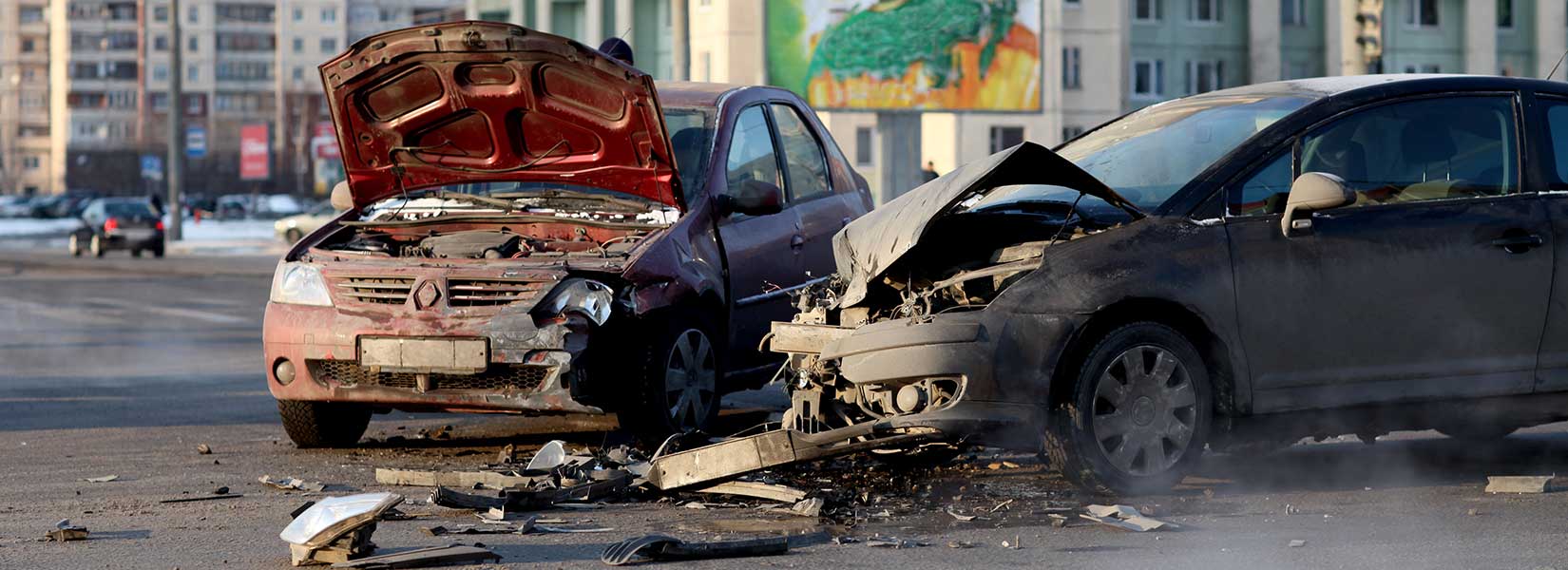
First, compensation for permanent and temporary disability In addition, compensation for property damage, including loss of vehicle value and damage compensation

Traffic Accident Compensation

A traffic accident can result in a variety of losses. In such cases, you are entitled to both compensatory and non-compensatory damages.

Insurance Arbitration Commission

During this process, you typically receive your compensation through an arbitration panel, and we handle this matter on your behalf

These processes are carried out quickly

Through arbitration, cases are typically resolved and the process is completed within six months

Your issue is being resolved as quickly as possible

Our Services FeaturesServices

Vehicle depreciation - Replacement vehicle cost - Property damage compensation - Permanent disability compensation - Temporary disability compensation

Vehicle Depreciation

This is a type of compensation received from the at-fault party's insurance.

Damage Compensation

This charge is applied if the cost of replacement parts and the discount amount for your vehicle are high.

Replacement Vehicle Cost

This covers the car rental costs and lost income you incurred while your vehicle was out of service

Bug Fix

You are not at fault, and you have been wronged; we can assist you with cases like this as well.

Permanent Disability Benefits

Based on a permanent disability, we can seek compensation from the insurance company through arbitration or litigation.

Compensation for Loss of Support

There are various types of compensation you are entitled to receive following the death of a loved one. We help you calculate this amount—taking into account factors such as the deceased’s age and occupation—and ensure you receive it from the insurance company.

ARTICLES
Damages and Arbitration: A Comprehensive Article Supported by Supreme Court Decisions

Damages are a common issue in legal proceedings and serve as a mechanism that comes into play when a dispute arises between the parties. In this article, we will examine the process of claiming damages and arbitration, offering a comprehensive overview supported by Supreme Court decisions.

What Is Damage Compensation?

Compensation for damages is a sum paid by one person or entity to another to cover the harm caused. This harm may be material or non-material and is typically resolved through legal proceedings. Claims for compensation for damages generally arise as a result of a legal action and are decided by the courts.

What Is Arbitration?

Arbitration is an alternative dispute resolution method in which disputes arising between parties are resolved by an independent third party rather than by the courts. Arbitration is conducted by one or more arbitrators chosen by mutual agreement of the parties, and the final decision is binding. This method is preferred for providing a swift and effective resolution and helps reduce the burden on the courts.

The Relationship Between Damages and Arbitration

While claims for damages are typically resolved in court, arbitration may also be an option in the event of a dispute between the parties. The parties may choose to resolve the dispute through arbitration. In such cases, the arbitration process will serve as a method for resolving claims for damages.

Arbitration can provide a faster and more effective resolution for claims for damages. While litigation in court can often be lengthy and complex, the arbitration process can be shorter and give the parties greater control. Furthermore, arbitration awards are as binding as court judgments and have a high degree of enforceability.

Damages and Arbitration Supported by Supreme Court Decisions

The Supreme Court has issued numerous rulings on matters of damages and arbitration, and these rulings serve as a guide for legal proceedings. Supreme Court rulings are an important resource regarding how claims for damages should be assessed, how the arbitration process should be conducted, and how arbitration awards should be enforced.

With regard to claims for damages, the decisions issued by the Supreme Court demonstrate a fair approach to determining the amount of compensation. The Supreme Court determines the amount of compensation based on the type and extent of the damage, as well as the degree of fault of the parties. These decisions ensure that claims for damages are resolved fairly.

With regard to arbitration, the decisions issued by the Supreme Court establish the legal framework for the arbitration process and ensure the enforceability of arbitral awards. The Supreme Court’s decisions ensure that the arbitration process is conducted in a fair and impartial manner.

Mediation and Compensation for Damages

Mediation is another alternative dispute resolution method used to resolve disputes between parties. With regard to claims for compensation for damages, mediation may be an option. The parties may utilize mediation services to resolve their disputes and reach a mutually acceptable resolution of their claims for compensation for damages.

Mediation offers a less formal way to resolve disputes between parties and makes it possible to reach a resolution more quickly. However, the mediation process is not as binding as arbitration or court proceedings when it comes to resolving claims for damages. If the parties do not reach an agreement through mediation, they may subsequently opt for arbitration or litigation.

Damages and Arbitration: A Unifying Approach

Claims for damages can be resolved through arbitration or court proceedings. While arbitration provides a quick and effective resolution for claims for damages, court proceedings offer a more comprehensive review and decision-making process. Supreme Court rulings provide guidance on claims for damages and arbitration, and mediation may also be considered as an option.

The guidance of an attorney specializing in compensation for damages and arbitration is essential for protecting the parties’ rights and reaching a fair resolution. Throughout this process, Supreme Court rulings and legal expertise provide a comprehensive approach and offer the parties the necessary guidance to make informed decisions.

What Is Comprehensive Auto Insurance Coverage?

Comprehensive auto insurance is a type of insurance frequently chosen by vehicle owners. This policy ensures that the vehicle is protected against various risks. The coverage and scope of a comprehensive auto insurance policy are crucial for the policyholder. These coverage options determine under what circumstances the policy will apply and what types of damages it will cover. Therefore, selecting the right coverage should be done carefully. In this blog post, detailed information will be provided about comprehensive auto insurance policies and their coverage. Additionally, how coverage scope is determined, the importance of coverage selection, and its consequences will be discussed. What comprehensive auto insurance coverage entails, how it is selected, and the potential outcomes of that selection will be examined in detail in this blog post. This will enable our readers to make more informed decisions regarding comprehensive auto insurance coverage. A brief and explanatory overview of what comprehensive auto insurance is, what its coverage includes, how coverage scope is determined, how it is selected, and the consequences of that selection.

What Is a Comprehensive Auto Insurance Policy?

Comprehensive auto insurance is a type of insurance that provides financial protection against risks vehicle owners may face. It protects vehicles against unexpected events such as accidents, theft, fire, and natural disasters. While it is generally not mandatory, it is frequently chosen by vehicle owners.

Vehicle owners can benefit from various types of coverage depending on their policy. A comprehensive insurance policy is designed to provide financial protection not only to vehicle owners but also in the event their vehicle is damaged. For this reason, a comprehensive insurance policy serves as an important means of protection and security for vehicle owners.

The answer to the question "What is a comprehensive auto insurance policy?" reveals that it is a type of insurance designed to meet vehicle owners' needs for financial protection and security. These policies are typically customizable and offer various coverage options, allowing each vehicle owner to create the protection plan that best suits their needs.

A comprehensive auto insurance policy provides financial protection for vehicle owners in the event of unforeseen circumstances. Therefore, it is recommended that every vehicle owner obtain a comprehensive auto insurance policy to cover potential risks associated with their vehicle. This ensures that vehicle owners are protected against any financial losses that may occur.

What Are the Coverages Included in a Comprehensive Auto Insurance Policy?

Comprehensive auto insurance is a type of insurance frequently chosen by vehicle owners. This policy provides protection against various risks. However, when purchasing a comprehensive auto insurance policy, it is crucial to understand the coverage and make the right choice. Comprehensive insurance policy coverage determines under what circumstances and to what extent the vehicle is protected. Generally, comprehensive insurance policy coverage includes situations such as accidents, theft, natural disasters, and fire. Thanks to this coverage, your vehicle is financially protected against potential risks.

When determining the coverage of your comprehensive auto insurance policy, you should take into account factors such as your vehicle’s value, how often you use it, and where you park it. Additionally, optional coverages can expand your policy and provide more comprehensive protection for your vehicle. For this reason, it is very important to carefully and thoroughly review the coverage options when selecting a comprehensive auto insurance policy.

If you’d like to learn more about the coverage options in your car insurance policy and make the right choice, you can seek assistance from a professional insurance advisor. A professional advisor can help you choose a car insurance policy that suits your vehicle’s specifications and your needs.

Remember, choosing the right comprehensive insurance coverage ensures you’re protected against potential risks and can make your driving experience more enjoyable.

How Are Coverage Limits Determined?

Many factors must be considered when determining coverage. First, the necessity of specific coverage should be assessed based on the vehicle’s characteristics, such as make, model, and age. Additionally, the vehicle’s intended use also plays a significant role in determining coverage. For example, if the vehicle is used exclusively within the city, city-specific comprehensive coverage may be preferred. Furthermore, the geographic region where the vehicle is located plays a significant role in determining coverage. If you live in a high-risk area, purchasing a more comprehensive insurance policy may be recommended. Finally, personal preferences can also influence the determination of coverage scope. While some drivers may prefer broader coverage, others may opt for only basic comprehensive coverage. Therefore, a careful analysis should be conducted when determining coverage scope, and personal preferences should be taken into account.

All of these factors play a role in determining the coverage provided by a comprehensive auto insurance policy. Therefore, it is important to conduct a thorough review to select the coverage that best suits your vehicle and your needs. Remember, choosing the right coverage will protect you from potential risks and ensure the safety of your vehicle.

It would also be helpful to consult an insurance expert when determining the comprehensive coverage options that best suit your situation. Insurance experts can help you identify the most suitable comprehensive coverage for you. This way, you can select the coverage that best meets your needs and ensure your vehicle is properly protected.

Remember, every driver’s needs are different. That’s why it’s important to carefully analyze your options and consider your specific needs when choosing coverage. By selecting the right coverage, you can protect your vehicle against unforeseen circumstances.

How Do You Choose Comprehensive Auto Insurance Coverage?

There are a few important steps you should consider when choosing comprehensive insurance coverage. First, you should determine which coverages are appropriate for you based on your vehicle’s make, model, and year. Your vehicle’s value plays a major role in selecting comprehensive insurance coverage. Therefore, you should determine your vehicle’s market value and choose your coverage accordingly.

Another important step is to determine which risks you want to protect yourself against. Comprehensive auto insurance policies offer different coverage options for various risks. For example, you can get coverage against theft, accidents, and natural disasters. Therefore, you should clearly identify which situations you want to be protected against.

When choosing coverage, you should review the policy details and understand what kind of protection it provides in various situations. You should also check which additional coverages are included in the policy. With additional coverages, you can expand your policy’s coverage and ensure more comprehensive protection.

Finally, when choosing comprehensive auto insurance coverage, you should compare policy terms and premium amounts to determine the best option. By comparing policies offered by different insurance companies, you can select comprehensive auto insurance coverage that fits your budget and best meets your needs.

What Are the Possible Outcomes of the Collateral Selection Process?

When purchasing a comprehensive auto insurance policy, choosing the right coverage is crucial. Selecting the appropriate coverage can help minimize financial losses in the event of an accident. However, choosing the wrong coverage can lead to significant financial losses in unexpected situations.

To choose the right coverage, you first need to clearly identify how you use your vehicle and what your needs are. Do you use a commercial vehicle, or do you own a vehicle for daily use? The answers to these questions are crucial for selecting the right coverage.

Another factor to consider is traffic conditions and weather conditions. If you frequently take long-distance trips or often encounter adverse weather conditions in the area where you live, your choice of coverage should take these factors into account.

Finally, additional coverages should also be considered. In particular, comprehensive insurance policies include additional coverages. These additional coverages should be selected based on your needs and added to your comprehensive insurance policy.

Frequently Asked Questions

What Is a Comprehensive Auto Insurance Policy?

Comprehensive auto insurance is a type of insurance that provides vehicle owners with comprehensive coverage against various risks.

What Are the Coverages Included in a Comprehensive Auto Insurance Policy?

Comprehensive auto insurance policies typically provide coverage against damages such as collision, theft, fire, natural disasters, and being struck by another vehicle.

How Are Coverage Limits Determined?

Coverage options are tailored to the needs and budgets of vehicle owners. Additional coverage can also be selected for more comprehensive protection.

How Do You Choose Comprehensive Auto Insurance Coverage?

Comprehensive auto insurance coverage is determined by selecting the option that best suits the vehicle owner’s needs from among the various options offered by insurance companies.

What Are the Possible Outcomes of the Collateral Selection Process?

The choice of coverage can significantly impact the vehicle owner’s financial situation in the event of a claim. For this reason, choosing the right coverage is extremely important.

What Do You Need to Prove Fault in a Car Accident?

An accident can change the course of your life in an instant, and you may suddenly find yourself caught up in legal proceedings. So, what do you need to prove who was at fault in a car accident? To protect yourself from being wrongfully accused and to receive the compensation you deserve, your evidence must be solid. In this blog post, we’ll delve into topics such as the importance of accident reports, how security camera footage can serve as critical evidence, the value of eyewitnesses who were present during the accident and can describe what they saw, expert witness reports from specialists investigating the incident, how medical records document post-accident injuries, and just how crucial it is to collect evidence properly at the accident scene. Having the right information is vital to fairly asserting your legal rights after an accident. So, let’s examine this process step by step. Legal evidence for traffic accidents: How to obtain accident reports, security camera footage, eyewitness accounts, expert testimonies, and medical records.

Accident Reports

Accident reports are documents prepared by law enforcement officers who arrive at the scene immediately following a traffic accident and serve as an official record of the incident. These reports contain a wide range of information regarding the accident, including the positions of the vehicles, weather conditions, road conditions, and any potential violations. As such, they serve as a primary reference point in legal proceedings or insurance claims following a traffic accident.

The details of an accident report are typically supported by security camera footage and eyewitness statements. This provides important data that helps clarify the circumstances of the accident and determine liability. Security camera footage serves as strong evidence for all parties involved, particularly in disputed cases, by providing an objective record of the incident.

Another important aspect is the role of expert witnesses. Accident reports serve as the foundation for expert witnesses who conduct accident reconstructions and analyses to prepare expert reports on how the incident occurred and the cause-and-effect relationship of the accident. By providing in-depth technical knowledge regarding accident dynamics, these experts can shed light on complex legal proceedings.

Although accident reports serve as the primary basis for documenting the incident, medical records and evidence collection at the accident scene are also of great importance for a comprehensive accident analysis. Medical reports, which detail the extent of injuries sustained by the victims and the impact of the incident, play a critical role in both legal proceedings and in determining the course of treatment. Additionally, detailed on-site investigations and the physical evidence collected at the scene are vital in verifying the findings of the accident report and filling in any gaps.

Security Camera Footage

Security camera footage is one of the most important pieces of evidence for uncovering the details of an accident. Footage recorded by cameras in the vicinity at the time of the incident plays a critical role in determining the cause of the accident and establishing who is at fault. For this reason, preserving the integrity of security camera recordings and analyzing them professionally is of great importance in any potential legal proceedings following an accident.

Security camera footage captured by cameras at workplaces, parking lots, or other public spaces in the area where the accident occurred typically provides a clear picture of how and under what circumstances the incident took place. Especially in traffic accidents, cameras provide detailed information about the direction of travel, speed, and behavior of the drivers involved. This aids in the preparation of accident reports and is useful for individuals or attorneys involved in the incident.

The importance of security camera footage becomes evident when compared to eyewitness accounts. While eyewitnesses’ memories may fade over time or they may be unable to provide clear information due to the shock of the accident, camera recordings offer objective and unchanging evidence. This ensures an accurate reflection of the actual events, aiding in the determination of the truth and the administration of justice.

In the evidence-gathering process following any accident, one of the most critical issues to address is how security camera footage should be handled. Footage examined and evaluated by an expert witness can directly influence how the incident is presented in court. For this reason, along with medical records and other evidence from the accident scene, camera footage is considered an indispensable part of a robust legal process.

Eyewitnesses

Eyewitnesses are often key sources of information regarding events that occur at the scene of an accident or crime. When an accident or crime occurs, witness statements typically provide critical information about how the incident unfolded and who is responsible. For this reason, eyewitnesses are frequently relied upon and carefully examined during legal proceedings.

When evaluated alongside eyewitness statements, accident reports, and security camera footage, they can paint a complete picture for understanding the dynamics of the accident. These individuals, who observed the events firsthand, play a crucial role in clarifying the incident by providing detailed accounts of what occurred at the scene, as well as the conditions before and after the accident. In this context, eyewitness statements are indispensable for gaining a comprehensive understanding of the incident.

On the other hand, eyewitnesses may sometimes provide misleading information due to factors such as subconscious biases or the shock of the moment. The stressful environment at the scene of an accident or crime can affect people’s perceptions, which in turn can undermine the reliability of their statements. For this reason, analyses conducted by professional expert witnesses and the medical records obtained play a vital role in corroborating witness statements.

For all these reasons, eyewitness statements must be evaluated with great care during the evidence-gathering process at the scene of an accident and considered in conjunction with other objective evidence to the greatest extent possible. In this way, it will be possible to contribute to the conduct of a fair legal process and take an important step toward uncovering the truth. While eyewitness statements are critical, a comprehensive investigation and evidence evaluation process is necessary to verify them.

Expert Witnesses

Expert witnesses are experts in a particular field who provide information to the court on matters requiring technical or specialized knowledge during a legal proceeding. The testimony of such witnesses plays a vital role in clarifying complex situations and typically provides detailed information about the technical aspects of the case.

Expert witnesses, who are frequently called upon in accident analysis or medical malpractice cases, provide crucial information to explain what happened at the time of the incident and the implications of those events. When their testimony is evaluated alongside the other evidence in the case, it enables the judge or jury to reach a more informed decision.

For example, evidence such as accident reports or security camera footage may not be sufficient on its own. This is where the opinions of expert witnesses come into play, providing a detailed analysis of the dynamics behind the incident, its possible causes, and its consequences. In this way, they enable an assessment that goes far beyond the visible evidence.

These vital witnesses can either corroborate the statements of eyewitnessesor contradict them. Furthermore, they are critical to the accurate interpretation of findings obtained during evidence collection at the scene of the accident. Ultimately, expert witnesses play a key role in ensuring justice and contribute to the case as a means of verifying the facts.

Medical Documents

Medical records play a crucial role in understanding the injuries sustained following an accident, the treatment processes, and the legal consequences of these processes. These documents, used by victims or insurance companies, serve as key evidence during the process of asserting claims in court.

Documents such as medical treatment records, doctor’s notes, and treatment bills obtained after an accident provide official confirmation of the extent of the damages caused by the accident and the pain suffered by the victim. They also provide critical information for calculating treatment costs and determining the financial extent of the damages. Without these documents, it can be quite difficult for victims to prove the damages they have suffered and the hardships they have endured.

A detailed review of medical records helps experts fully understand the effects and consequences of an accident, as well as the extent of the resulting damage. For this reason, such records are typically evaluated by expert witnesses, who conduct detailed analyses of the accident and present their findings to the court.

For individuals involved in an accident, keeping medical records and filing them systematically is a crucial step in the process of seeking justice. If an accident has occurred, those who have been injured must retain medical reports, prescriptions, treatment records, and other relevant documents to protect their rights. This is essential to be able to respond to the opposing party’s claims with evidence during the legal process and to receive the compensation you are entitled to.

Evidence Collection at the Scene of an Accident

Collecting evidence at the scene of an accident is one of the most critical steps in the post-accident legal process. It typically helps determine the causes of the accident and identify the parties at fault. This process requires the detailed and systematic collection of all physical evidence at the scene so that it can be evaluated by decision-makers and investigative teams.

The first responders to arrive at the scene of an accident are usually the police and emergency services. After securing the scene, these teams begin the process of collecting evidence. Evidence such as the position of the vehicles, road markings, tire tracks, vehicle parts, witness statements, and security camera footage can play a key role in the accident analysis.

Expert witnesses also examine the evidence at the accident scene and prepare reports on the dynamics of the accident and its possible causes. Factors such as the extent of the damage caused by the accident and the condition of the vehicles involved are thoroughly assessed by the experts, who provide technical information to ensure the smooth progress of the legal proceedings.

Medical records collected following an accident are also vital for documenting the physical and psychological trauma experienced by the victims. Medical records, which are retained for purposes such as monitoring recovery and, when necessary, claiming benefits under insurance policies, are used as evidence in court proceedings. Therefore, evidence collection at the accident scene is a highly strategic step in terms of compensation claims and legal proceedings.

Frequently Asked Questions

Why are accident reports important for proving fault in a car accident?

Accident reports are official documents that formally record the details of an accident and are typically prepared by the police. These reports include information on how the accident occurred, the date and time, the vehicles involved, and other important details; therefore, they play a key role in establishing liability.

How can security camera footage be used to determine fault in an accident?

Security camera footage can provide a visual record of the accident, helping to determine which driver was at fault. Vehicle movements, traffic signs, and actions taken before, during, and after the accident can be used as evidence.

Why are eyewitness statements important in the event of an accident?

Eyewitness accounts provide an outside perspective on the incident and can offer objective information about the accident. Witnesses’ observations often help determine fault and understand how the incident actually unfolded.

Why are expert witnesses necessary for determining liability, and on what matters do they provide expert opinions?

Expert witnesses are individuals with specialized knowledge and experience regarding accidents and damage. They can provide technical expertise on topics such as how vehicles operate, accident dynamics, and medical consequences, which can often be decisive in determining liability and in court proceedings.

What role do medical records play in the liability analysis of injuries resulting from an accident?

Medical records are used to document the severity of the injuries sustained by accident victims and whether those injuries were caused by the accident. These records can also influence the extent of liability and the calculation of compensation.

What kind of information does the process of collecting evidence at the scene of an accident provide, and why is this information important for determining liability?

Evidence collected at the accident scene includes information such as tire tracks, debris scattered on the road, the extent of damage, and road conditions. This information is necessary to understand how the accident occurred and to determine liability, as it provides concrete and objective data.

What other factors or evidence are important for determining fault in the event of a car accident?

Adverse weather conditions, drivers’ alcohol or drug test results, vehicle maintenance and repair records, and traffic laws are also key factors in determining which party is at fault. This additional information is necessary to better understand the cause of the accident and who is liable.

Let’s find a solution right away using the latest calculations prepared by our experts Fill out the fill out

Once you’ve filled out the form, we’ll get back to you right away with the information you provide.

Call Now